Program Directions and Faculties
Meet Our Program Directors & Fellowship Faculty
Our Experienced Faculty

Dr. K. K. Kapur
Qualifications: MBBS, Maulana Azad Medical College, Delhi University; MD and DM, PGI Chandigarh
Dr. K. K. Kapur has been involved in training physicians and cardiologists in Echocardiography for more than two decades. His extensive experience in teaching cardiac imaging makes him part of Medigrad's faculty for echocardiography education.
Program Director: Fellowship in Echocardiography

Dr. Sridhar Kalyanasundaram
Qualifications: DM (Neonatology), MD (Pediatrics), FRCPCH, CCST (UK)
Dr. Sridhar Kalyanasundaram is a consultant neonatologist with professional experience across India, the UK and the Middle East. He has also been involved in medical education through teaching platforms and educational groups and has served as an MRCPCH examiner and NRP instructor.
Program Director: Fellowship in Advanced Neonatology

Dr. Shashank Tondon
Qualifications: MBBS, MD (India) & Master's in Hypertension from ASH, USA
Dr. Shashank Tondon has 16 years of experience in COPD, Diabetology and metabolic diseases, including obesity and dyslipidemia. His clinical experience supports doctors developing specialty knowledge in diabetes and metabolic medicine.
Program Director: Fellowship in Diabetology

Dr. Ranganath Satyanarayan Setty
Qualifications: MBBS, DEM (RCGP), MEM (SEMI), MMED (CMC Vellore), MRCEM (UK), FID (Singapore)
Dr. Ranganath Satyanarayan Setty is an Emergency Physician with more than 14 years of international experience across India, the Maldives and the UK. His professional background includes Emergency Medicine, critical care and medical education. He has also served as a course director for master's programs in Emergency Medicine and is an AHA instructor for ACLS and BLS.
Program Director: Fellowship in Emergency Medicine

Dr. Inam Danish Khan
Qualifications: MBBS, MD, DNB, DHCM, MNAMS, MIPHA, MISCD
Dr. Inam Danish Khan brings academic and professional expertise in Clinical Microbiology and Infectious Diseases.
Program Director: Fellowship in Infectious Diseases

Dr. Mahitha Maram
Qualifications: MBBS, MD Internal Medicine, MRCP (UK)
Dr. Mahitha Maram is an Internal Medicine physician with experience in managing a broad range of medical conditions. Her academic work includes research and presentations involving areas such as stroke and critical illness.
Program Director: Fellowship in Internal Medicine
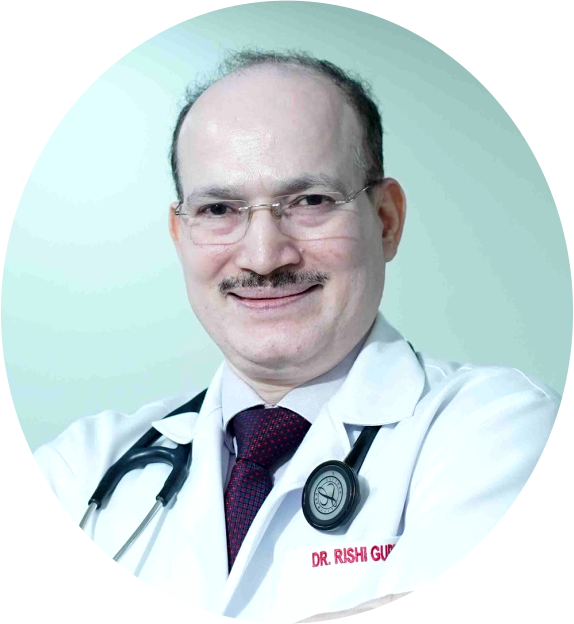
Dr. Rishi Gupta
Qualifications: MBBS, MD, DNB, DM, FSCAI, FACC, FESC
Dr. Rishi Gupta has 25 years of experience in Cardiology and interventional practice. His areas of expertise include interventional cardiology, complex angioplasty and structural heart interventions.
Program Director: Fellowship in Cardiology

Dr. Ashutosh Aggarwal
Qualifications: MBBS, Postgraduate in Pediatrics, MD (PGIMS), PGD in Adolescent Health (Annamalai University), Fellowship in Neonatology (Singapore)
Dr. Ashutosh Aggarwal brings extensive experience in Pediatrics, Adolescent Health and Neonatology, along with a strong background in medical teaching. He has 15 years of clinical experience and 12 years of teaching experience in medical and postgraduate education across India.
Program Director: Fellowship in Pediatrics

Dr. Suresh Kumar
Qualifications: MBBS, MD (India), FRCP Glasgow, FACE
Dr. Suresh Kumar has additional postgraduate and fellowship experience in Endocrinology and Diabetes from institutions in the UK and Australia, including the University of South Wales and the University of Sydney.
Program Director: Fellowship in Family Medicine
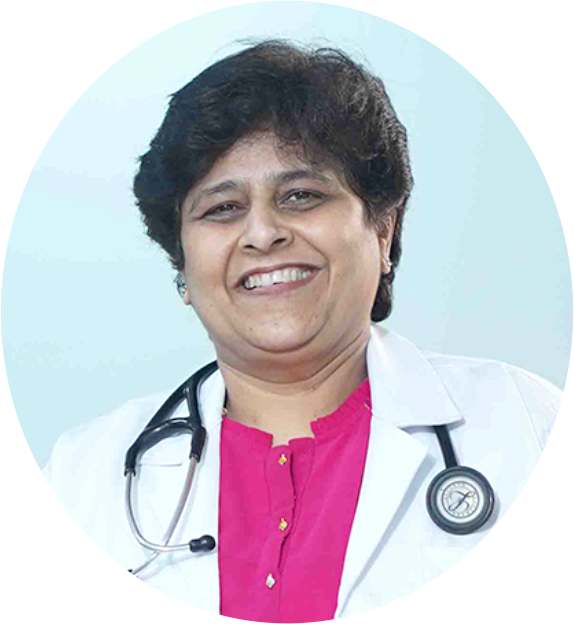
Dr. Simmi Manocha
Qualifications: MBBS, MD (Medicine), DM (Cardiology), FESC, FASE, FIAE
Dr. Simmi Manocha has experience in non-invasive and interventional cardiology, including 2D echocardiography, 3D echocardiography, transesophageal echocardiography and vascular Doppler. Her background brings together cardiovascular medicine and cardiac imaging.
Program Director: Fellowship in Preventive Cardiology

Dr. Divya Kumar
Qualifications: MBBS, DNB (Obstetrics & Gynaecology), FICOG, Fellowship in Clinical ART
Dr. Divya Kumar has specialist training in Obstetrics & Gynaecology and Clinical Assisted Reproductive Technology, contributing to focused learning in women's health.
Program Director: Fellowship in Gynaecology & Obstetrics

Dr. Richa Joshi
Qualifications: MBBS, MD (Pediatrics), Fellowship in Neonatology (IAP), PGPN (Boston University, USA)
Dr. Richa Joshi has a clinical and academic background in Pediatrics and Neonatology. Her areas of interest include neonatal nutrition, pain management and neurodevelopmental care. She has also contributed to research and academic publications
Program Director: Fellowship in Neonatology
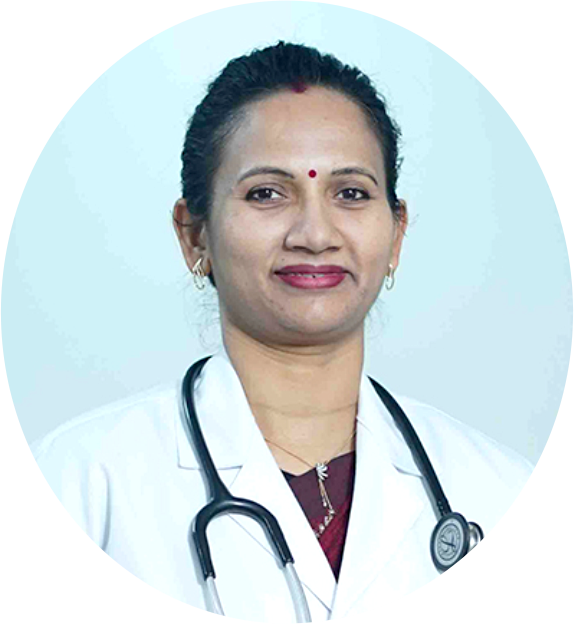
Dr. Sabita Kumari
Qualifications: MBBS, MS (Obstetrics & Gynaecology)
With more than 15 years of experience, Dr. Sabita Kumari has worked with established healthcare institutions in Delhi-NCR. Her areas of expertise include Gynaecological Endoscopy, high-risk pregnancy care and women's reproductive health.
Program Director: Fellowship in Gynaecology & Obstetrics
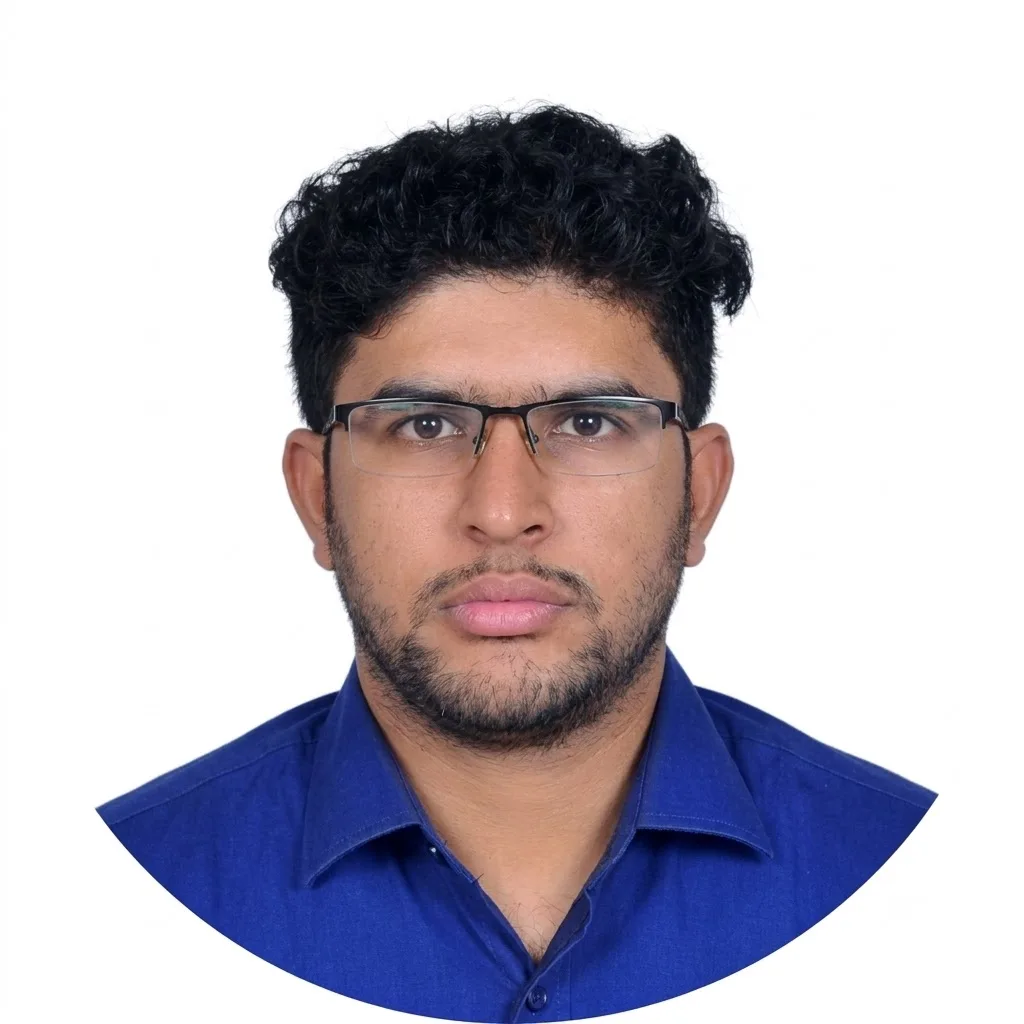
Dr. Srikandan Thangavel
Qualifications: MBBS, MD (Anaesthesiology), with advanced training in Anaesthesia and Critical Care
Dr. Srikandan Thangavel 's areas of expertise include Critical Care Medicine, ventilator management, sepsis and shock, trauma care and critical care ultrasound.
Program Director: Fellowship in Critical Care Medicine
Program Accreditation by

AACME
CPD UK
eLearning Modules By

Medigrad
The program includes
- Study Material
- LMS access with e-books & recorded videos
- Live Interactive Sessions*
- Certificate of Completion
Eligibility for Program
MBBS & Above
How Medigrad Supports Doctors
Medigrad’s fellowship faculty, mentors and program directors are doctors and specialists who contribute their clinical, academic and teaching experience to the fellowship programs with which they are associated. Their expertise spans multiple medical specialties, providing doctors with access to perspectives from experienced professionals in their respective fields.
Faculty involvement may support different parts of the learning experience, depending on the fellowship program. This can include:
- Specialty-focused teaching: Explaining medical concepts, principles and knowledge relevant to the fellowship specialty.
- Clinical perspective: Connecting academic topics with professional experience and relevant clinical situations.
- Case-based learning: Discussing clinical cases and medical scenarios to help doctors apply specialty knowledge.
- Interactive learning: Contributing to faculty-led sessions, discussions and other academic interactions where included.
- Academic guidance: Helping doctors understand complex or specialty-specific topics within the fellowship curriculum.
- Practical perspective: Sharing experience from clinical practice and the application of knowledge within the specialty.
- Specialty mentorship: Providing professional and academic perspectives that can support doctors throughout their learning.
- Medical education: Contributing to structured learning through their experience in clinical practice, teaching and academic medicine.
How Faculty Expertise Fits Into the Medigrad Fellowship Experience
Medigrad provides online and blended fellowship programs for MBBS doctors and other eligible medical professionals. Faculty expertise is one component of the overall educational experience, alongside the program curriculum, academic resources, learner support and practical components where applicable.
Depending on the fellowship, doctors may experience:
- Structured specialty-focused curriculum
- Faculty-led academic sessions
- Interactive learning and discussions
- Case-based academic learning
- Academic guidance from experienced doctors
- Online learning and educational resources
- Practical or hospital-based training where included
- Hospital observerships where applicable
What Doctors Should Consider When Reviewing Fellowship Faculty
Faculty expertise is an important part of evaluating a medical fellowship, but it should be considered alongside the complete program.
Doctors may review:
Medical qualifications — The faculty member’s medical degree, postgraduate qualifications, fellowships and relevant certifications.
Specialty expertise — Whether the faculty member’s clinical and academic background is relevant to the fellowship specialty.
Clinical experience — The depth and relevance of their professional experience in the field.
Teaching experience — Experience in medical education, postgraduate teaching, academic programs or professional training.
Academic background — Research, publications, academic appointments, examinations or other relevant academic contributions where applicable.
Program relevance — How the faculty’s expertise relates to the subjects and learning objectives of the fellowship.
Learning format — Whether the program includes online learning, interactive sessions, faculty-led teaching, blended learning or practical components.
Practical exposure — Whether hospital training or observerships are included and how they form part of the specific fellowship.
Looking at these factors together helps doctors assess the academic expertise, educational environment and overall structure of a fellowship rather than evaluating faculty experience in isolation.
Frequently Asked Questions About Medigrad Fellowship Faculty
Who are the faculty and mentors associated with Medigrad fellowship programs?
Medigrad’s fellowship faculty includes doctors, specialists and medical professionals with clinical, academic and teaching experience across multiple medical specialties. Their profiles on this page provide their qualifications, experience, areas of expertise and associated fellowship programs.
What does Medigrad’s fellowship faculty do?
Medigrad’s faculty contribute their specialty knowledge, clinical experience and academic expertise to the fellowship programs with which they are associated. Depending on the program, this may include teaching, interactive sessions, case-based discussions, academic guidance and specialty-focused learning.
What qualifications do Medigrad fellowship mentors have?
Mentors’ qualifications vary by doctor and specialty. Profiles may include medical degrees, postgraduate qualifications, specialty fellowships, professional certifications, academic appointments and other relevant credentials.
Why should doctors review fellowship faculty before choosing a program?
Reviewing faculty can help doctors understand the clinical, academic and teaching expertise associated with a fellowship. It can also help them assess whether the faculty’s specialty background is relevant to their learning objectives and professional interests.
Does faculty experience determine the quality of a fellowship?
Faculty experience is one factor to consider, but it should not be viewed in isolation. Doctors should also evaluate the curriculum, learning objectives, program structure, learning format, practical exposure, eligibility, duration and learner support.
Do Medigrad fellowship programs include director interaction?
Director interaction varies between programs. Depending on the fellowship, doctors may participate in faculty-led teaching, interactive academic sessions, case-based discussions or other forms of academic engagement.
Academic Associations


Training Partners